Multichannel Inventory Management: One View of Stock, No More Oversells
You sold 10 units on Shopify. You sold 10 units on Amazon. You had 12 in stock. Now you have two angry customers, a support queue, and a spreadsheet that still says everything is fine. This is the everyday reality for merchants without proper multichannel inventory management — and it’s one of the most expensive operational problems a growing brand can have.
Ready to stop managing stock manually? Katana syncs inventory across all your channels in real time.














What is multichannel inventory management?
Multichannel inventory management is the process of tracking, syncing, and controlling stock across two or more sales channels — such as your own Shopify store, Amazon, a wholesale portal, and physical retail — from a single system. Without it, each channel holds its own view of inventory. They don’t talk to each other. The result is oversells, phantom stock, and hours of manual reconciliation every week.
The goal isn’t just visibility — it’s a single source of truth. One number per SKU, updated in real time, regardless of where the order came from.
Why most multichannel businesses hit a wall with spreadsheets
Multichannel inventory management is the process of tracking, syncing, and controlling stock across two or more sales channels — such as your own Shopify store, Amazon, a wholesale portal, and physical retail — from a single system. Without it, each channel holds its own view of inventory. They don’t talk to each other. The result is oversells, phantom stock, and hours of manual reconciliation every week.
The goal isn’t just visibility — it’s a single source of truth. One number per SKU, updated in real time, regardless of where the order came from.
The real cost: stockouts, oversells, and invisible margins
Overselling is the most visible symptom, but it’s not the most expensive one. The deeper cost is invisible: you don’t know which products are profitable, because your fees, freight, 3PL charges, and returns are never tied back to a specific SKU or channel.
A business selling across multiple channels might have a bestseller on Amazon that’s losing money after fulfillment fees — and a slower-moving Shopify SKU that’s actually the most profitable product in the range. Without margin visibility per channel and per SKU, you’re growing blind.
Then there’s the forecasting problem. Planning based on historical averages misses seasonality, promotions, and supplier lead times. As one merchant described it: “One of our worst case scenarios is happening right now — we’re out of our most popular product.”
How Katana handles multichannel inventory
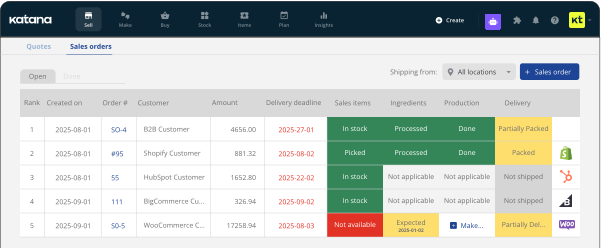
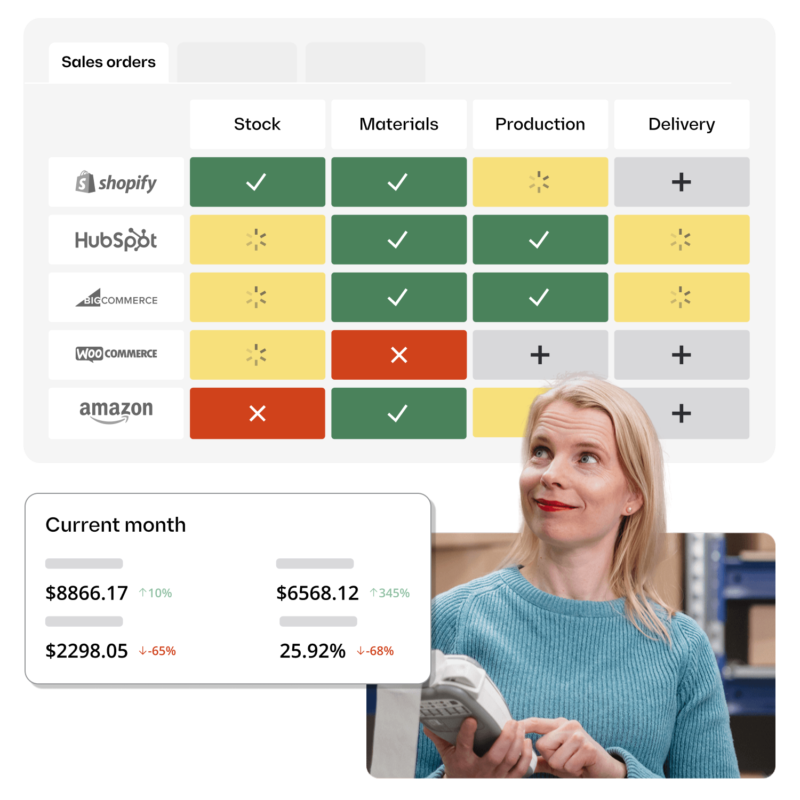
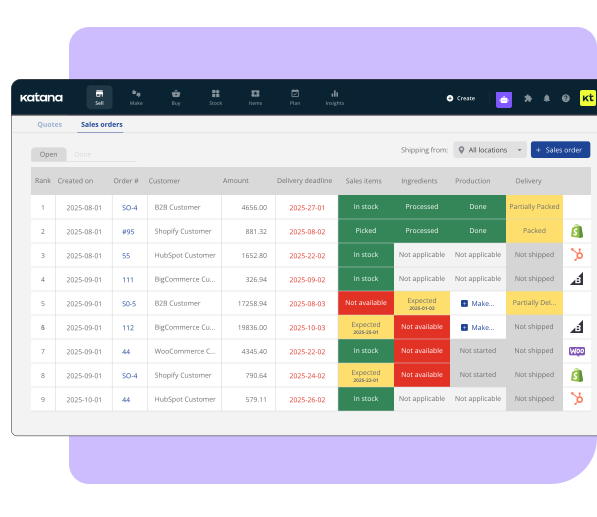
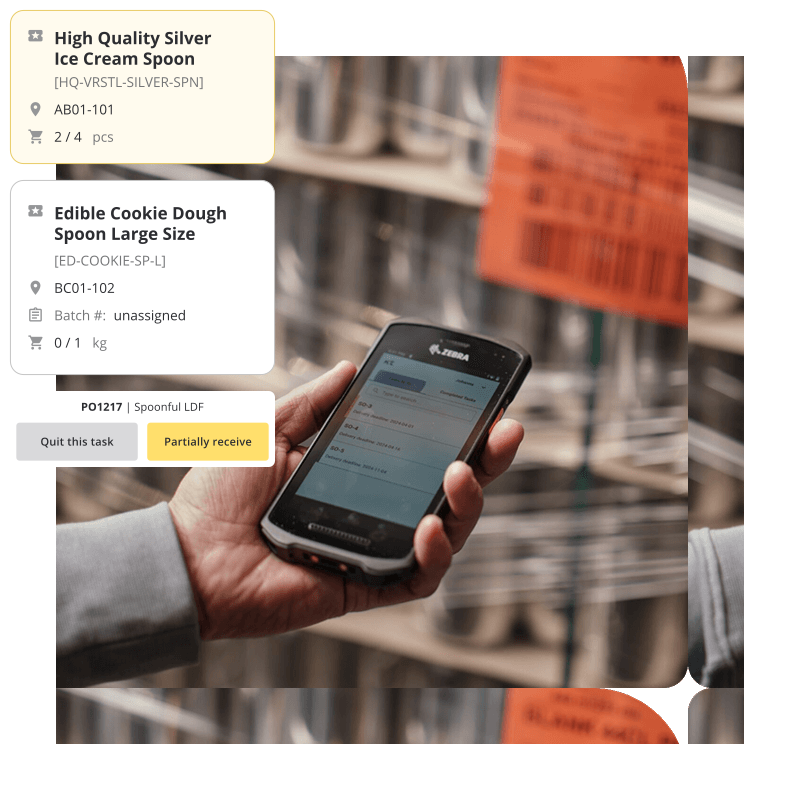
Katana is built specifically for multi-channel merchants who need real-time inventory visibility without the complexity of a full ERP. Connect your Shopify store, your Amazon account, and your wholesale orders — and see exactly what’s in stock across every location, updated with every order.
Key capabilities:
- Live inventory tracking across all channels and locations in one dashboard
- Shopify and Amazon integrations that sync orders and update stock counts in real time
- Multi-warehouse and 3PL support so you can allocate stock to the right location per order
- Bill of materials (BOM) support for merchants who assemble or manufacture any part of their product range
- QuickBooks and Xero integration to connect your inventory data to your accounting without manual exports
Katana customers report 60% higher sales on average year over year — not because the software sells for them, but because getting inventory right removes the operational ceiling on growth.
Get started with a free plan –
no credit card required
Or book a call if you want to talk through your specific setup first.
Frequently asked questions
Multichannel inventory management is the process of tracking, syncing, and controlling stock across two or more sales channels — such as your own Shopify store, Amazon, a wholesale portal, and physical retail — from a single system. Without it, each channel holds its own view of inventory, resulting in oversells, phantom stock, and hours of manual reconciliation every week.
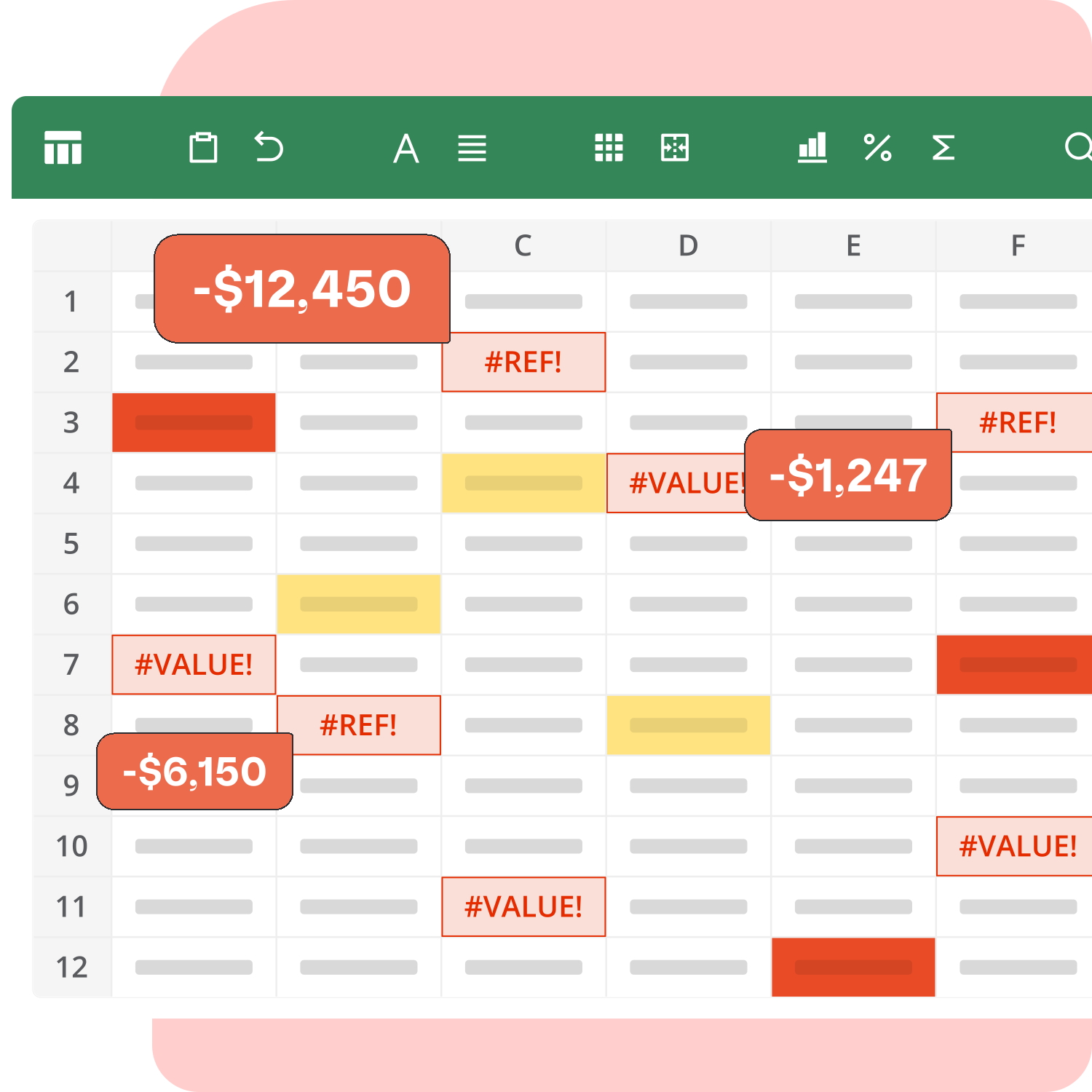
Spreadsheets work when you have one channel, one warehouse, and a small catalogue. Add a second channel, a 3PL, and a few hundred SKUs and the model collapses. Every order requires a manual update, every sync is a data entry risk, and every stockout is a lag in your spreadsheet catching up with reality. Spreadsheets are static; multichannel inventory is dynamic.
Look for real-time inventory sync (not batch syncs), multi-location support, native integrations with your channels, rules-based order routing, and COGS tracking at SKU level for margin visibility. Flat-rate pricing is preferable to per-order fees for high-volume merchants.
Explore Katana’s inventory capabilities
Stop managing inventory channel by channel
Start free with Katana. Sync Shopify, Amazon, and wholesale inventory from one platform — with real-time stock updates, automated reordering, and no per-user fees.